By Ellen Azaria Maduhu, JamhuiMedia, Dodoma
Every year on June 24, the world marks the International Day of Women in Diplomacy, a day established by the United Nations in 2022 to recognize the contribution of women in diplomacy, peacebuilding, conflict resolution and international cooperation.
The observance comes at a time when women remain underrepresented in global leadership. According to the United Nations, women account for only about one-fifth of Permanent Representatives to the UN, while only a small number of countries are led by female Heads of State or Government.
Yet evidence increasingly shows that when women lead, diplomacy becomes more inclusive, more responsive and often more effective. Across the world, women leaders have helped shape international cooperation, advance peace and drive development outcomes through dialogue, consensus-building and strategic partnerships.
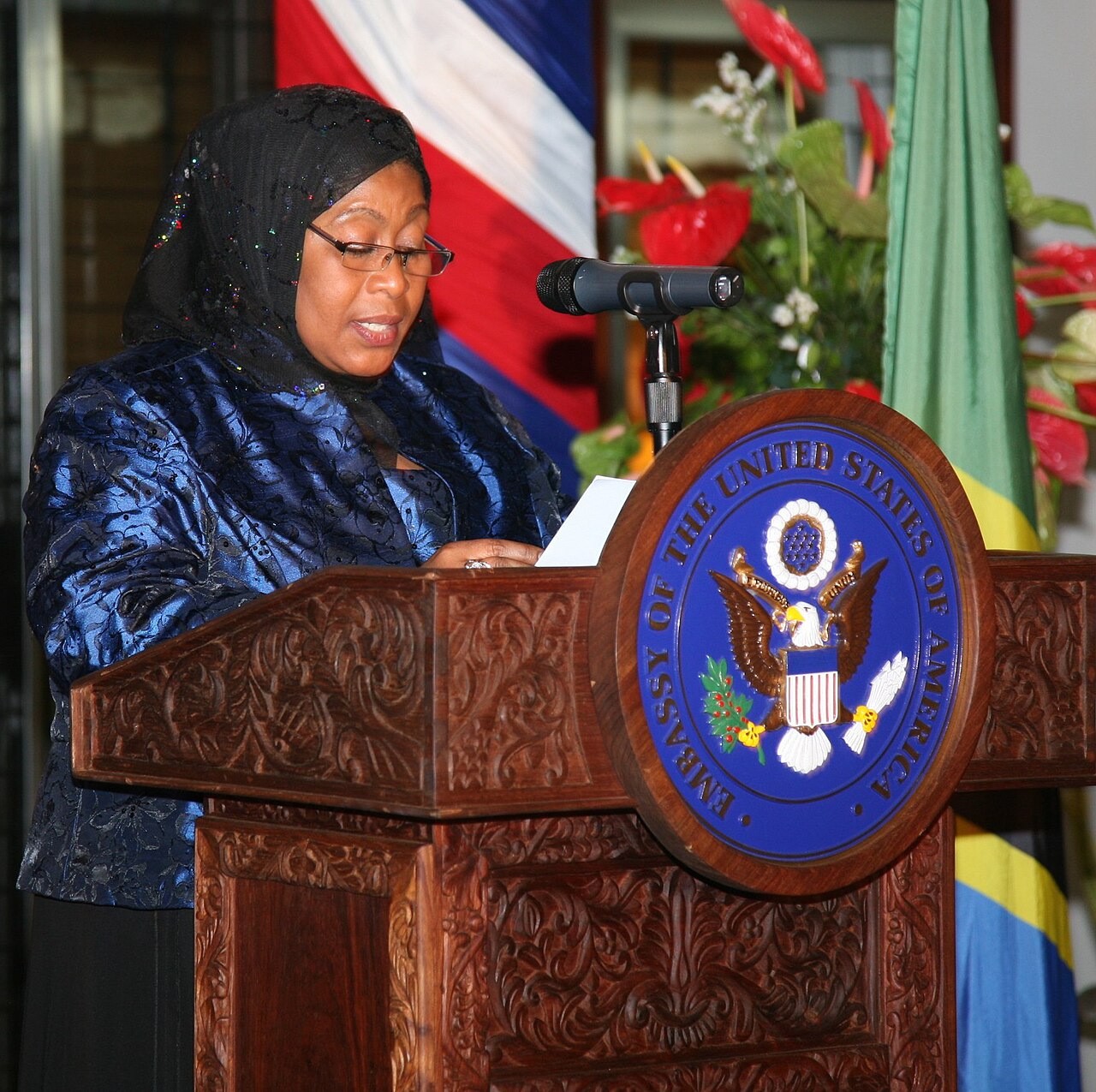
Today, few examples illustrate this more clearly than the leadership of President Samia Suluhu Hassan, whose diplomatic approach has transformed Tanzania’s international standing while delivering measurable economic and social benefits at home.
Women changing the face of diplomacy
Historically, diplomacy was dominated by men. Over the past several decades, however, women have increasingly moved from the margins to the centre of international decision-making.
Global figures such as Eleanor Roosevelt, Madeleine Albright, Christine Lagarde, Amina J. Mohammed and Ngozi Okonjo-Iweala have demonstrated that women can shape international policy, economic governance and multilateral cooperation at the highest level.
Africa has also produced distinguished women diplomats and leaders. Former Liberian President Ellen Johnson Sirleaf helped restore her country’s international credibility after years of conflict. South Africa’s Dr. Nkosazana Dlamini-Zuma became the first woman to chair the African Union Commission, while Nigeria’s Amina Mohammed today occupies one of the most influential positions within the United Nations system.
Their experiences have shown that women are not merely participants in diplomacy; they are increasingly shaping its direction.
Tanzania’s tradition of women diplomats
Tanzania has its own proud history of women in diplomacy and international leadership.
Among the most distinguished is Ambassador Gertrude Mongella, who led the landmark Fourth World Conference on Women in Beijing in 1995 and later became the first President of the Pan-African Parliament.
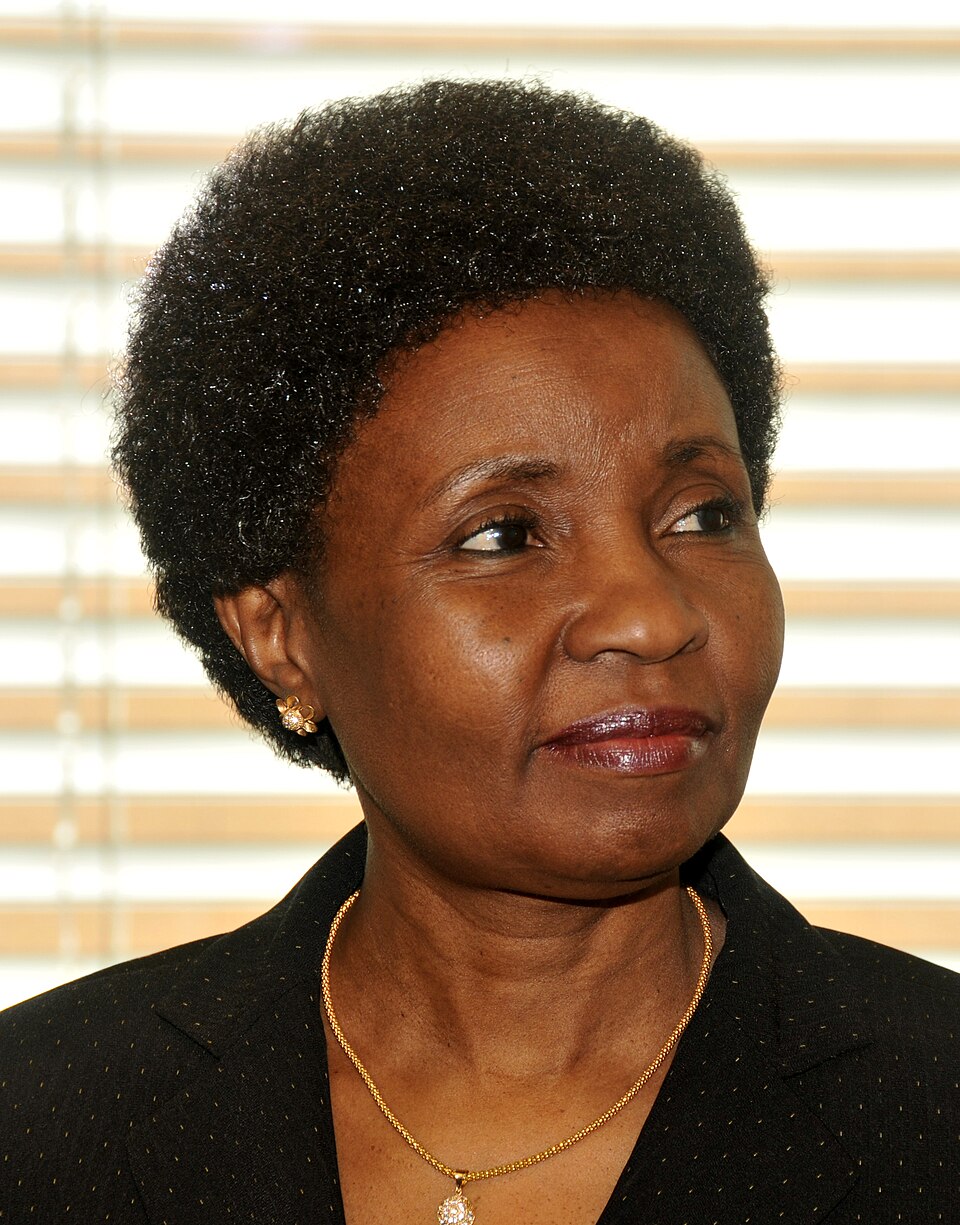
Dr. Asha-Rose Migiro elevated Tanzania’s global profile when she served as Deputy Secretary-General of the United Nations between 2007 and 2012, helping advance multilateral cooperation and international development initiatives.
Ambassador Liberata Mulamula has also played a significant role in regional peace and diplomacy, serving in senior positions within African institutions and currently as the African Union Special Envoy on Women, Peace and Security.
These leaders helped establish Tanzania’s reputation as a country committed to dialogue, peace and international cooperation. President Samia Suluhu Hassan has built on that foundation and elevated it to a new level.
President Samia and the rise of economic diplomacy
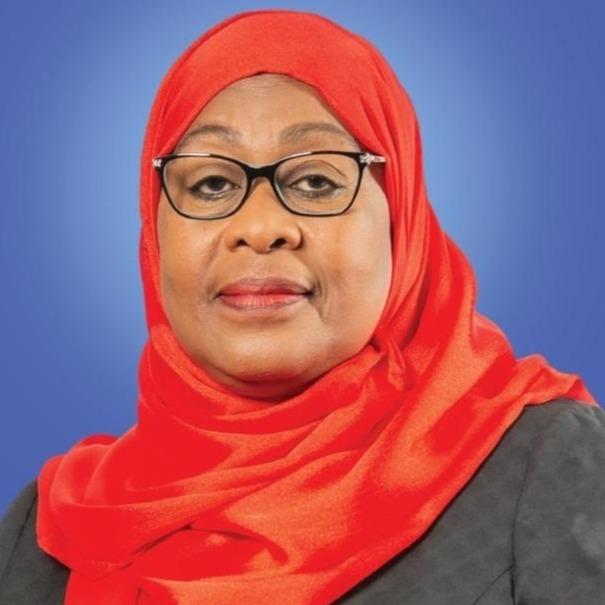
When President Samia assumed office in March 2021, she became Tanzania’s first female Head of State. She inherited not only the responsibilities of national leadership but also the role of Tanzania’s chief diplomat.
What has distinguished her presidency is the deliberate use of diplomacy as a tool for national development.
Rather than viewing foreign relations solely through a political lens, President Samia has championed economic diplomacy—linking international engagement directly to investment, tourism, trade, technology transfer, education and job creation.
Through strategic engagements across Africa, Europe, Asia, the Middle East and the Americas, she has consistently positioned Tanzania as a stable, reliable and attractive destination for business and partnership.
Her approach has been guided by three key principles: opening Tanzania to the world, strengthening strategic partnerships and ensuring that diplomatic engagement translates into tangible benefits for citizens.
Delivering measurable results
The impact of this diplomatic strategy has been substantial.
Under President Samia’s leadership, Tanzania has recorded unprecedented growth in tourism. International arrivals have exceeded 5 million visitors annually, generating approximately US$4 billion in tourism revenue. Initiatives such as the Royal Tour documentary significantly enhanced global awareness of Tanzania’s tourism potential and helped reposition the country in key international markets.
Foreign direct investment commitments have also increased markedly as investor confidence improved. Through state visits, business forums, investment roadshows and bilateral engagements, Tanzania has attracted growing interest in sectors such as energy, mining, infrastructure, agriculture, manufacturing and technology.
Her administration has also expanded Tanzania’s diplomatic footprint by opening and strengthening diplomatic missions abroad. This has improved the country’s ability to promote exports, attract investment, support Tanzanians overseas and deepen engagement with strategic partners.
Recent diplomatic engagements have yielded cooperation agreements in education, science, technology, energy, agriculture, health, trade and investment, further broadening opportunities for economic transformation.
Expanding Tanzania’s influence globally
President Samia’s diplomatic achievements extend beyond economics.
Under her leadership, Tanzania has strengthened relations with neighbouring countries, enhanced cooperation within the East African Community and the Southern African Development Community, and increased its visibility within continental and global institutions.
Her active participation in international forums has elevated Tanzania’s voice on issues ranging from economic development and climate action to energy security, maternal and child health, and regional integration.
This renewed engagement has helped restore Tanzania’s prominence as a constructive and trusted partner in international affairs while reinforcing the country’s longstanding foreign policy principles of peace, dialogue and cooperation.
Advancing women’s leadership
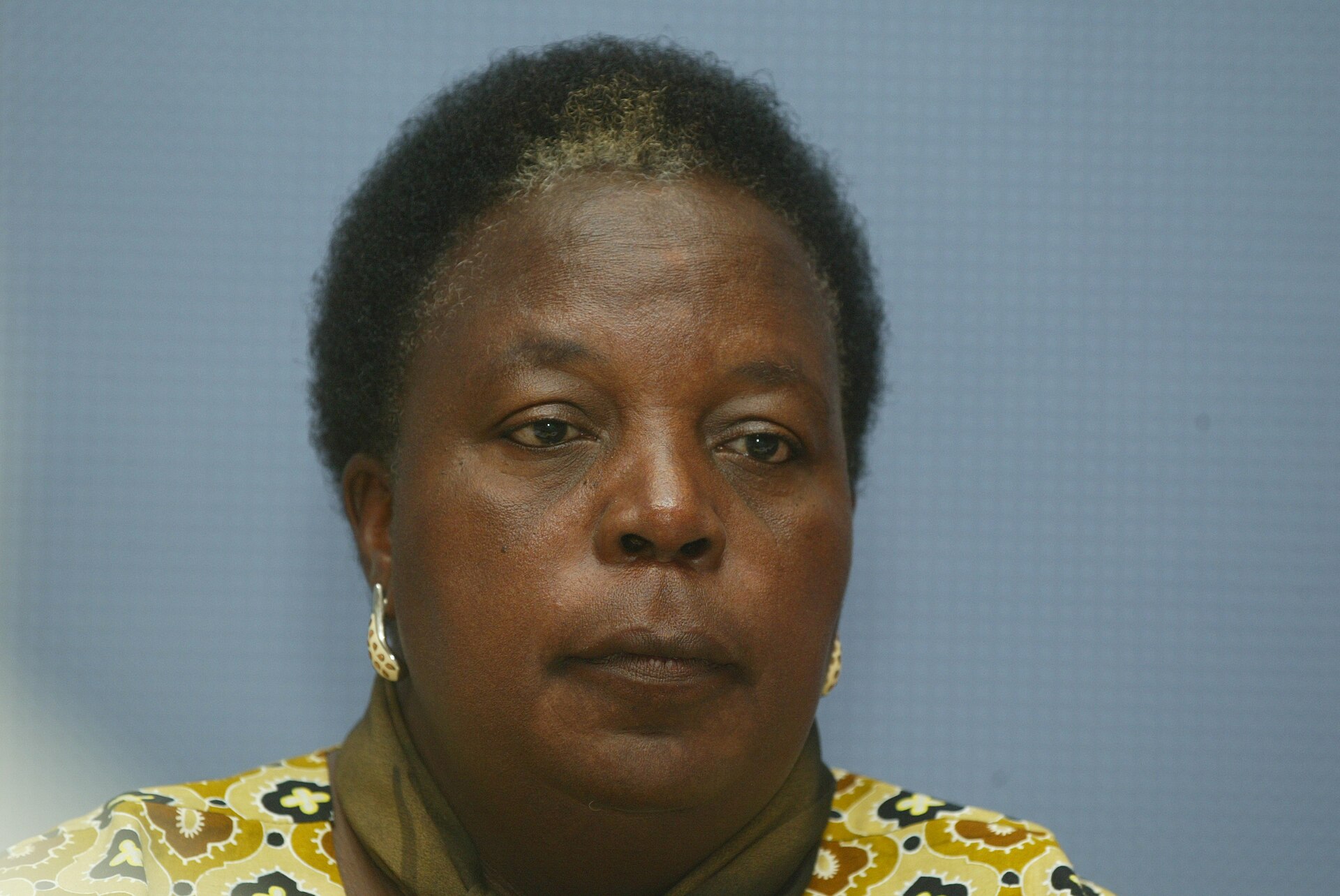
President Samia’s impact is also reflected in the opportunities she has created for other women.
Her administration has appointed more women to senior leadership and diplomatic positions, reinforcing the principle that leadership should be determined by competence and performance rather than gender.
This mirrors the journeys of leaders such as Ellen Johnson Sirleaf, Nkosazana Dlamini-Zuma and Amina Mohammed, whose success opened doors for future generations of African women.
By occupying the highest office in the country and delivering results through effective leadership, President Samia has become a powerful symbol of what women can achieve in diplomacy, governance and public service.
For millions of girls and young women, her presidency offers a practical example that leadership ambitions need not be limited by historical barriers.
The road ahead
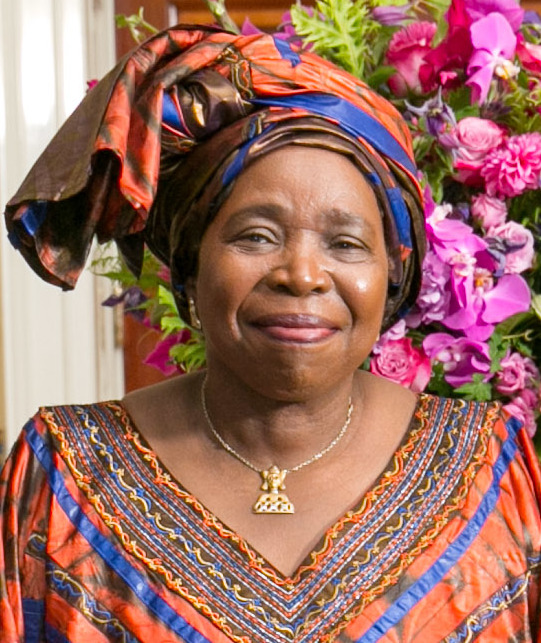
While significant progress has been made globally, women remain underrepresented in many diplomatic institutions, ambassadorial positions and peace negotiations.
Addressing this challenge requires continued investment in education, mentorship, leadership development and equal opportunities within diplomatic services and international organizations.
For Tanzania, the examples of Gertrude Mongella, Asha-Rose Migiro, Liberata Mulamula and President Samia Suluhu Hassan provide a strong foundation for the next generation of women leaders.
Their collective achievements demonstrate that inclusive leadership strengthens diplomacy and delivers better outcomes for nations and citizens alike.
In this week of International Day of Women in Diplomacy, Tanzania’s experience offers an important lesson: diplomacy is most effective when it is inclusive, results-oriented and connected to national development. President Samia’s leadership has shown that women’s diplomacy is not simply about representation. It is about impact, influence and the ability to transform international partnerships into opportunities that improve people’s lives.

That is perhaps the most powerful lesson of all.
Ms. Maduhu serves an Acting Director in the Department of Europe and Americas at the Ministry of Foreign Affairs and East African Cooperation of the United Republic of Tanzania.