
*Ambassador Deo Mwapinga facilitates major conference in Dar es Salaam
*Dr Tulia urges women leaders to ensure their presence translates into influence
*TCB’s Dr Mihayo says women are trustworthy borrowers who repay their loans
By Deodatus Balile, JamhuriMedia, Dar es Salaam
Tanzania is set to become a hub of parliamentary diplomacy in Africa this November when it hosts women parliamentarians and prominent leaders from the 12 member states of the Forum of Parliaments of the International Conference on the Great Lakes Region (FP-ICGLR).
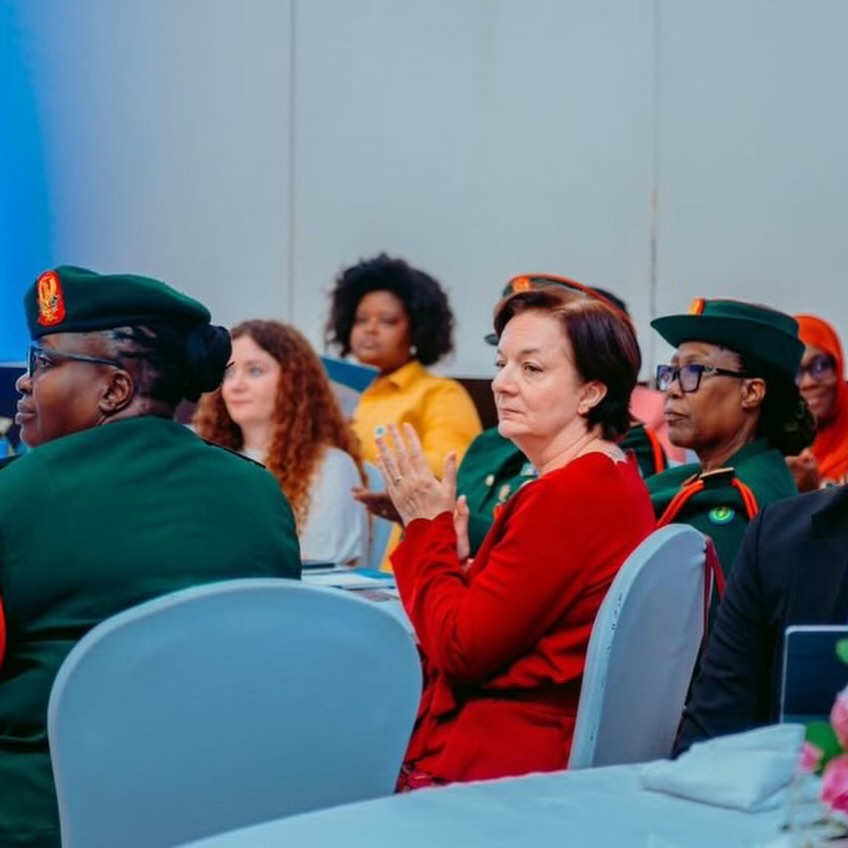
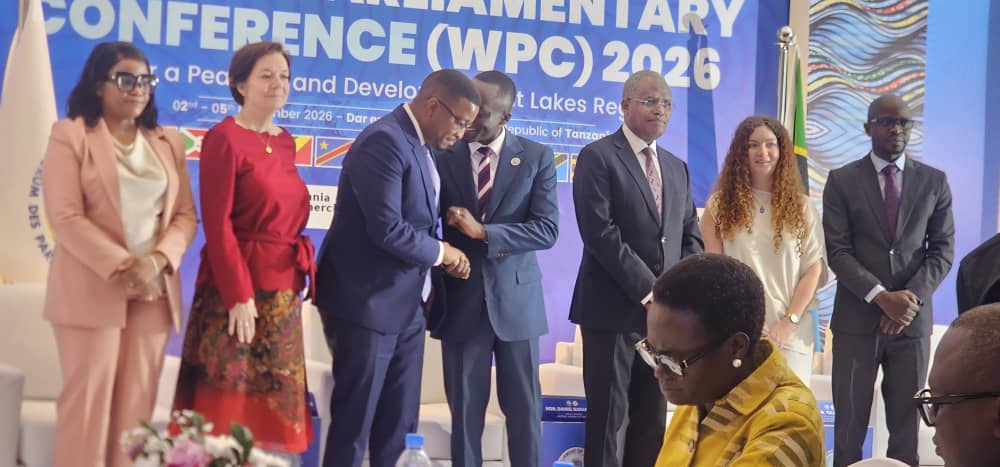
The major conference, to be held at the Julius Nyerere International Convention Centre (JNICC) in Dar es Salaam, is expected to serve as a catalyst for change in peace, security and the economic advancement of women across the region.
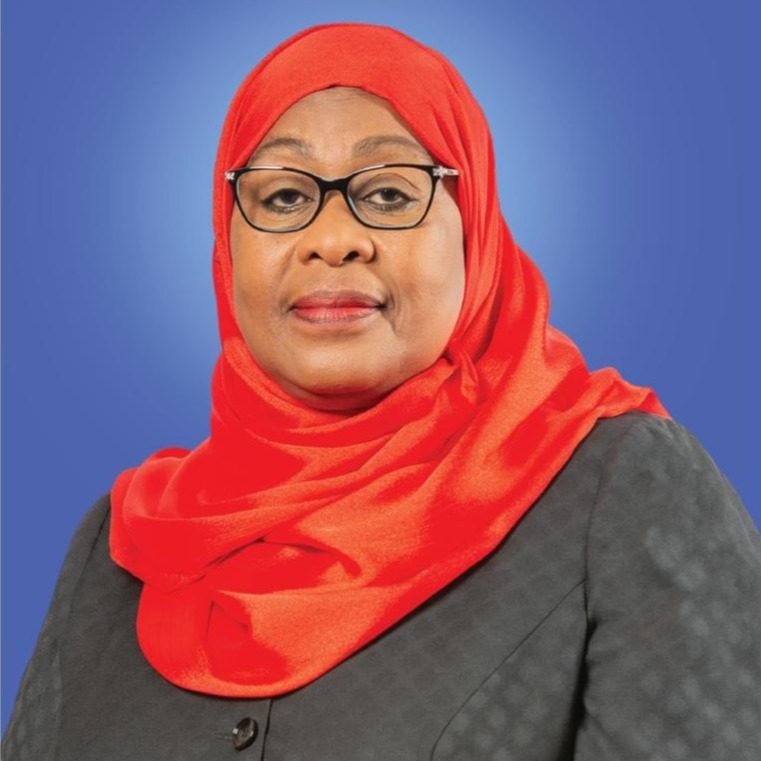
During the launch of preparations for the conference, held at the Serena Hotel in Dar es Salaam on 18 September 2026, Deputy Speaker of the National Assembly of the United Republic of Tanzania, Daniel Barron Sillo, officially announced that President of the United Republic of Tanzania, Dr Samia Suluhu Hassan, will be the Guest of Honour at the conference, scheduled for 2–5 November 2026.
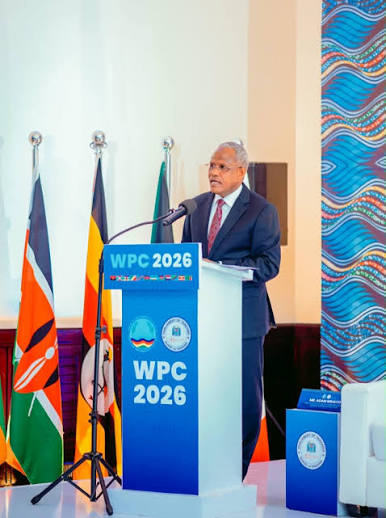
Sillo noted that Tanzania’s selection as host reflects the country’s longstanding history as a beacon of peace, dating back to the establishment of the regional initiative in 2004 through the Dar es Salaam Declaration.
“In Tanzania, we recognise that women’s participation in politics and decision-making bodies is fundamental to inclusive democracy. Currently, women constitute 40 per cent of our Parliament, placing Tanzania fourth among the 12 countries in the region,” Sillo said.
He added that the conference would provide a unique opportunity to strengthen parliamentary diplomacy and seek lasting solutions to the challenges facing the Great Lakes Region.
For her part, Minister for Community Development, Gender, Women and Special Groups, Dr Dorothy Gwajima, recalled that Tanzania’s journey towards women’s empowerment has deep historical roots, stretching from the struggles championed by Bibi Titi Mohammed to the leadership of President Samia Suluhu Hassan.
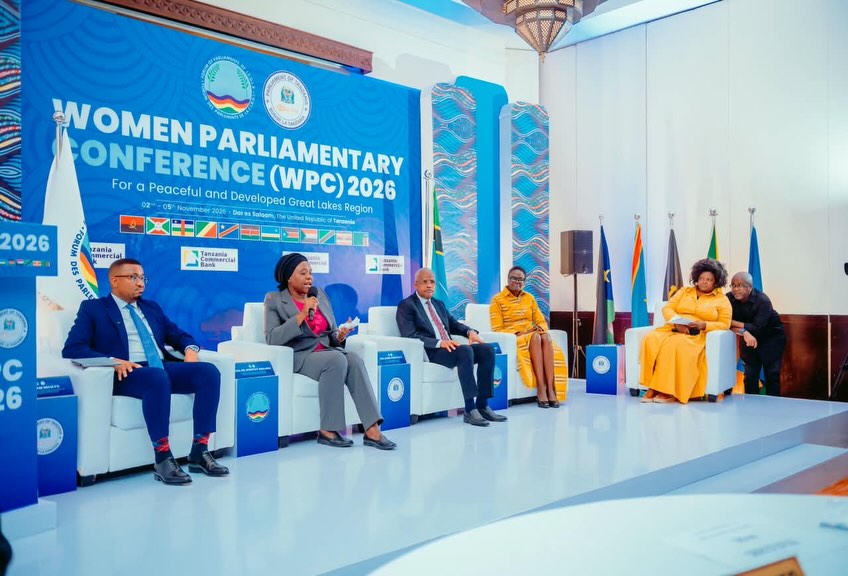
Dr Gwajima emphasised the importance of implementing United Nations Security Council Resolution 1325 through the National Action Plan (2023–2027).
“Having a history alone is not enough. We must ensure that this history is translated into policies, laws and budgets that deliver tangible results for women and girls. We want the resolutions to be adopted in November to be widely known and implemented in practice,” Dr Gwajima stressed.
The significance of the conference was also underscored by Dr Tulia Ackson, President of the Inter-Parliamentary Union (IPU) and former Speaker of Tanzania’s National Assembly.
Dr Tulia offered an in-depth analysis of the need for women to move beyond mere “presence” to exercising genuine “influence”.
She noted that peace can only be sustained when human rights are respected, adding that women have a particularly important role in addressing issues affecting children, education and health as foundations for lasting peace.
“For women to have influence when they sit at the decision-making table, they must distinguish themselves. The IPU will work closely with the November conference to ensure that the commitments made are translated into implementable programmes that deliver tangible results.”
She also demonstrated how the IPU could assist the region in translating international commitments into national legislation.
For his part, the Secretary General of the Forum, Ambassador Dr Deogratias Mwapinga, described the FP-ICGLR conference as an important pillar in the Forum’s achievements.

Under his leadership, the Forum has become a strong bridge for cooperation among the parliaments of the 12 member states, focusing on sensitive issues such as durable solutions for refugees, citizenship and regional stability.
Preparations for the conference provide further evidence of Ambassador Mwapinga’s success in strengthening the Forum as an instrument for promoting peace and security.
Turning to the economic dimension, Tanzania Commercial Bank (TCB) Chief Executive Officer Dr Adam Mihayo offered a detailed analysis of why the private sector has a strategic responsibility to empower women.
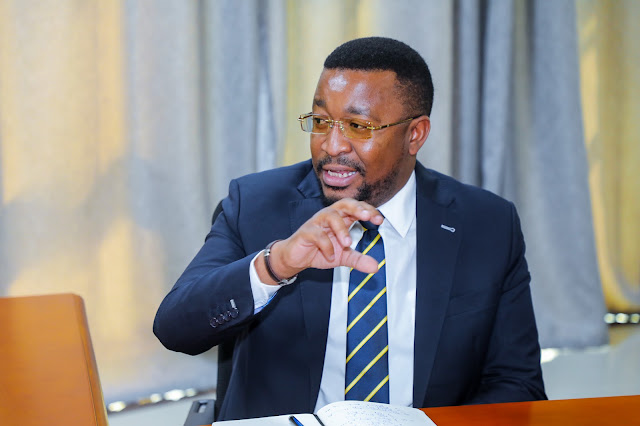
Dr Mihayo cited the example of northern Uganda, where women took a leading role in rebuilding the economy after years of conflict and now own 70 per cent of small and medium-sized enterprises in the area.
Mihayo said TCB was fully committed to economically empowering women through practical interventions.
He presented encouraging figures: “At TCB, 30 per cent of the loans we have issued in Tanzania have gone to businesses run by women, with a total value of TZS 540 billion.
“What is particularly remarkable is that while the overall non-performing loan (NPL) ratio stands at 3.5 per cent, the rate among women is below 1.5 per cent.”
Mihayo’s analysis demonstrates that women are not only productive economic actors but also reliable borrowers who repay their loans, enabling financial resources to remain productive and generate further economic value.
He linked these efforts to Tanzania’s National Development Vision 2050, which aims to eradicate extreme poverty, including through the economic empowerment of women and persons with disabilities.
“Empowering women is not merely an act of goodwill; it is a high-return economic investment that strengthens employment and broadens our nation’s tax base,” Mihayo added.
The November conference will therefore be more than a forum for dialogue. It will be a demonstration of the Great Lakes countries’ commitment to achieving lasting peace by harnessing the power and contribution of women.
With President Samia Suluhu Hassan attending as Guest of Honour, alongside prominent leaders such as Judith Suminwa, Prime Minister of the Democratic Republic of the Congo, the conference is expected to leave a lasting mark on the history of women’s empowerment in Africa.
As Dr Mihayo concluded, the greatest challenge facing leaders in the region is “implementation”.
The conference is expected to provide practical answers on how to strengthen the protection of women, promote peace and ensure that women become engines of economic development towards 2050.
Tanzania is ready, and the Great Lakes Region is ready to open a new chapter of cooperation and prosperity.