By Deodatus Balile, Moscow, Russia
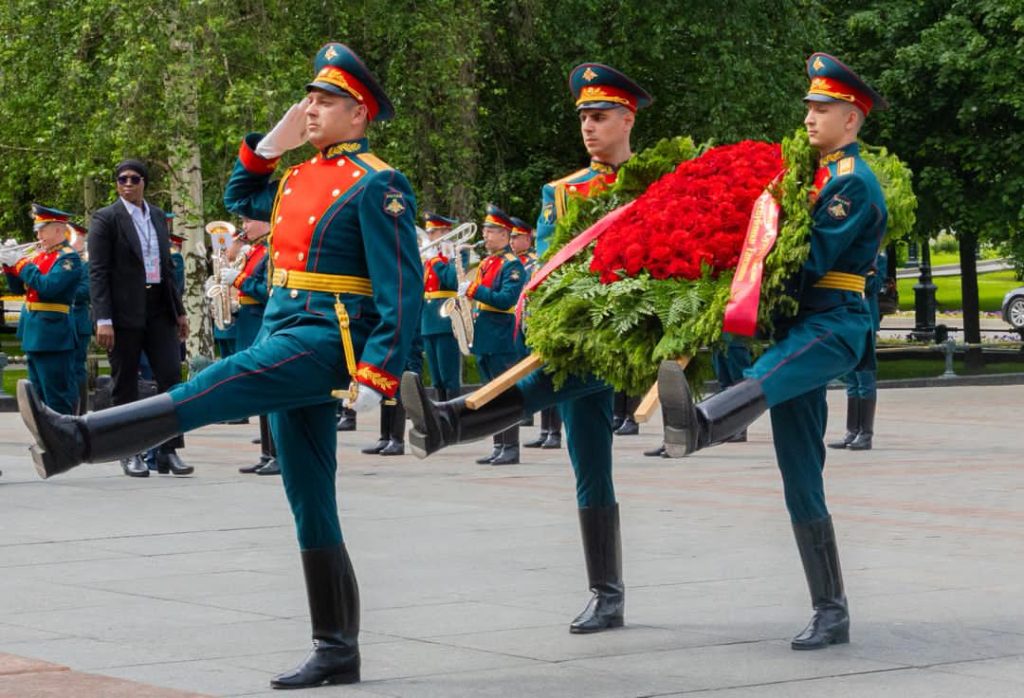
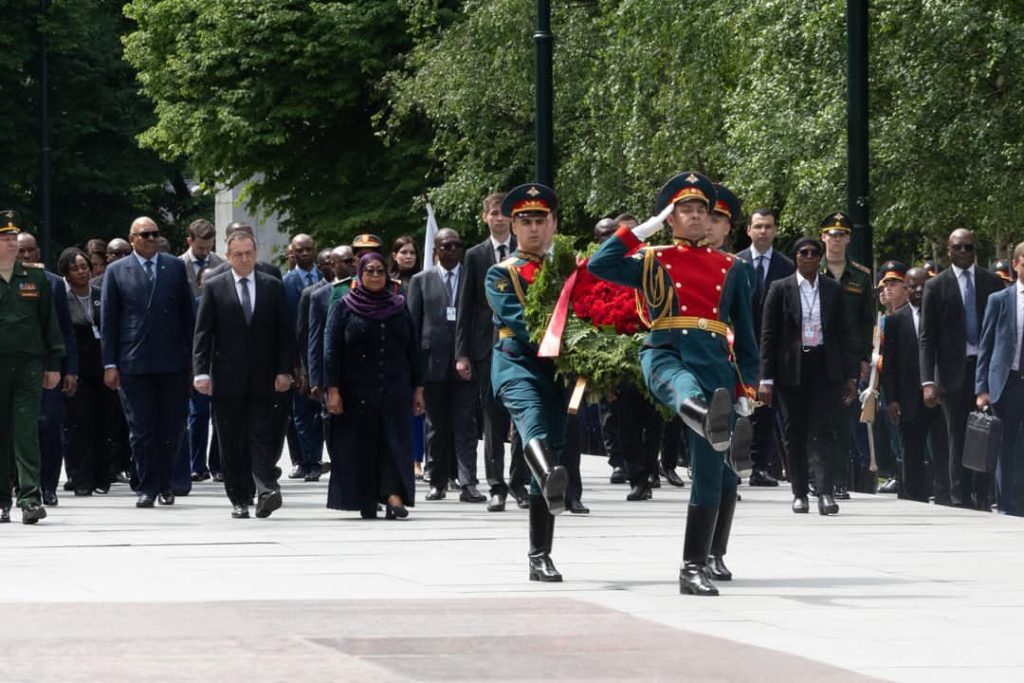
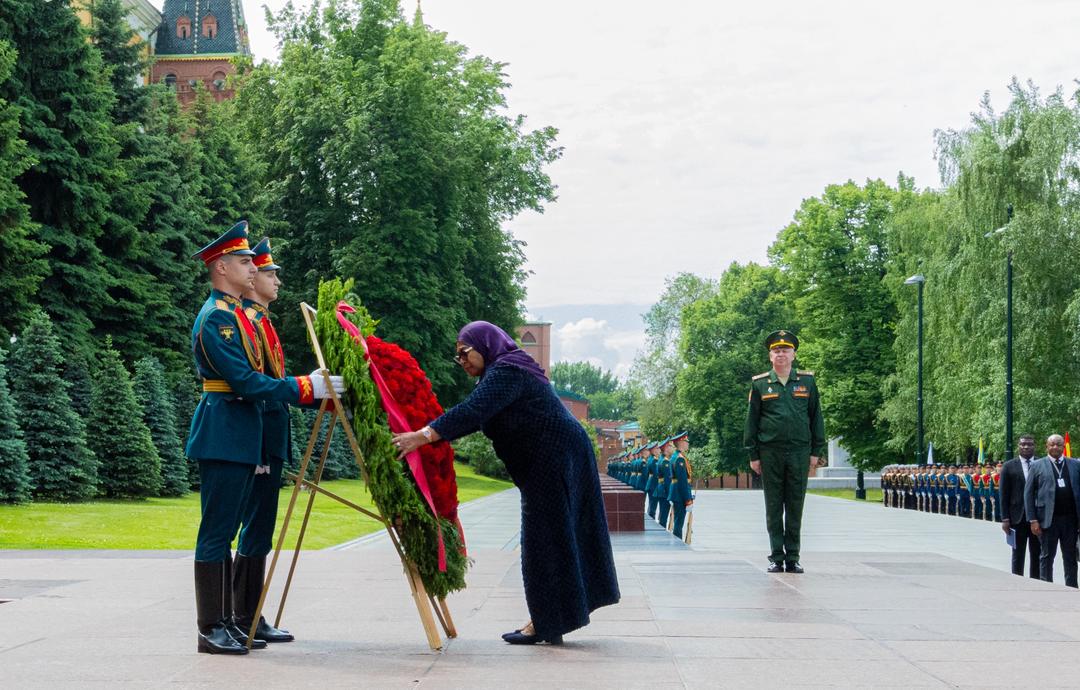
This week, President Samia Suluhu Hassan made a state visit to the Russian Federation from June 3–5, 2026. The visit came 57 years after a similar high-level engagement and the first-ever visit by a Tanzanian Head of State, the Father of the Nation, the late President Julius Kambarage Nyerere, in 1969.
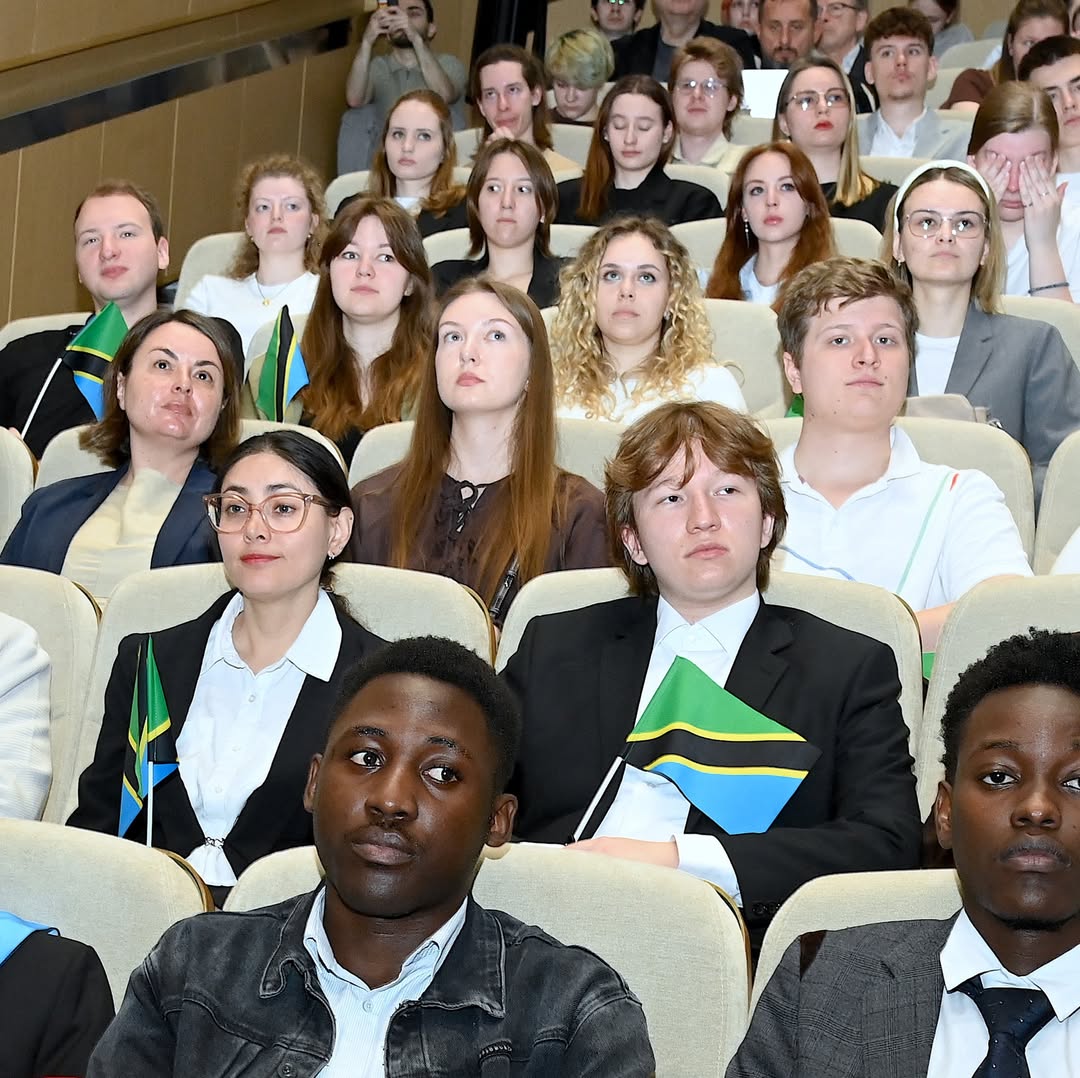
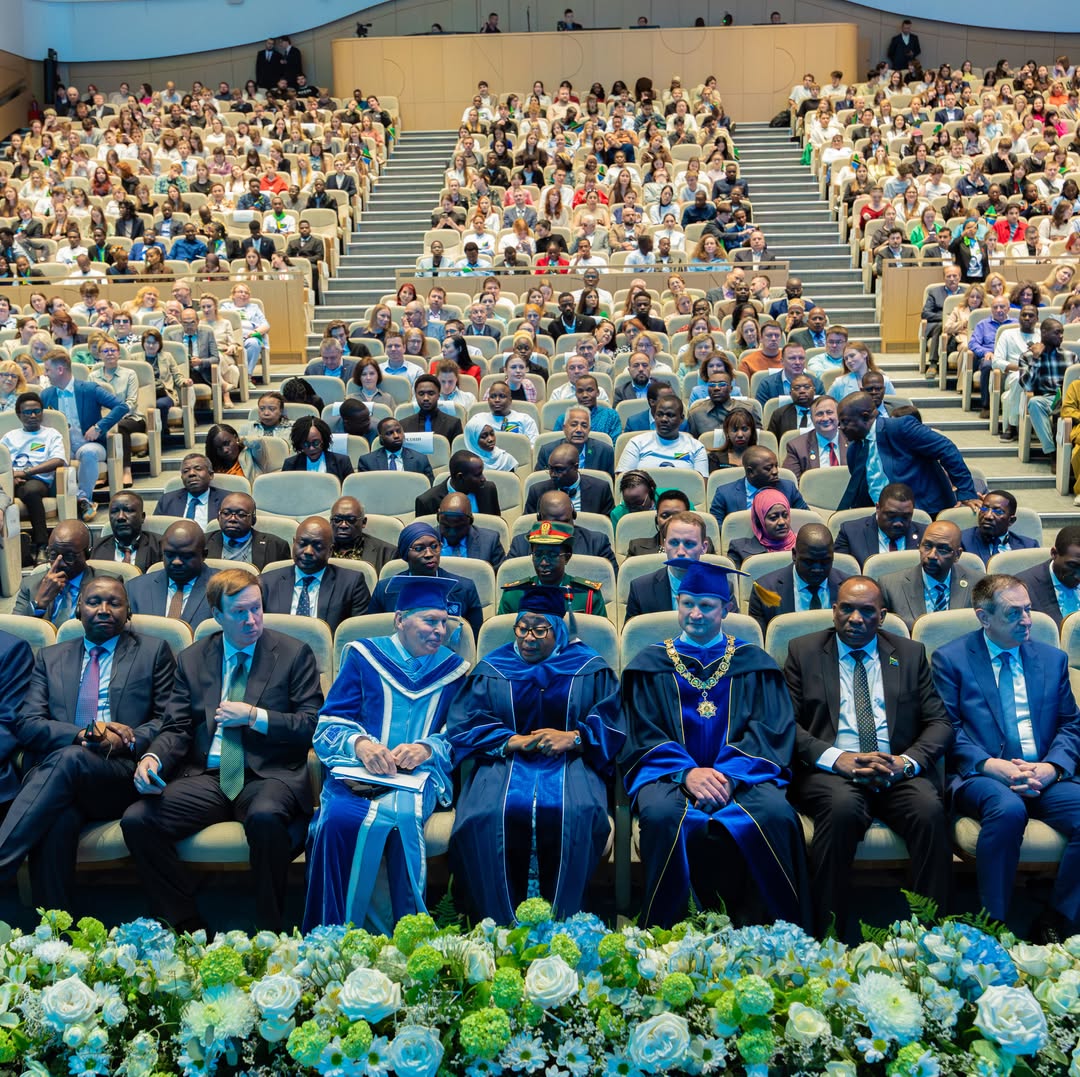
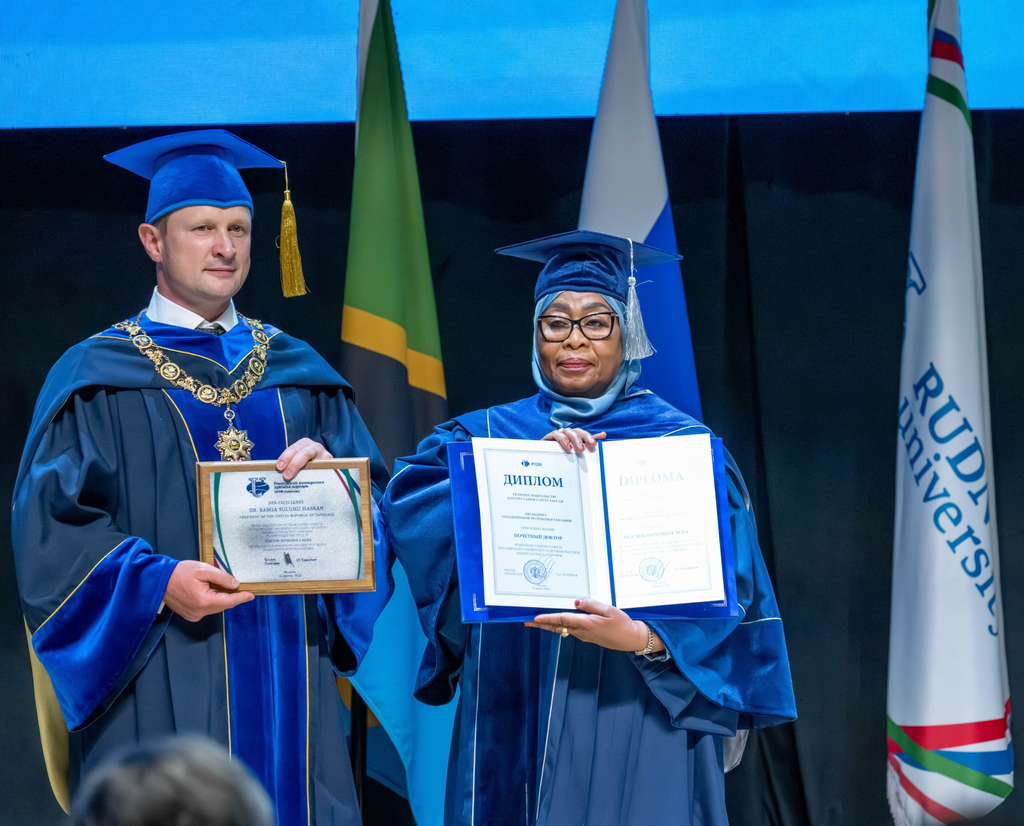
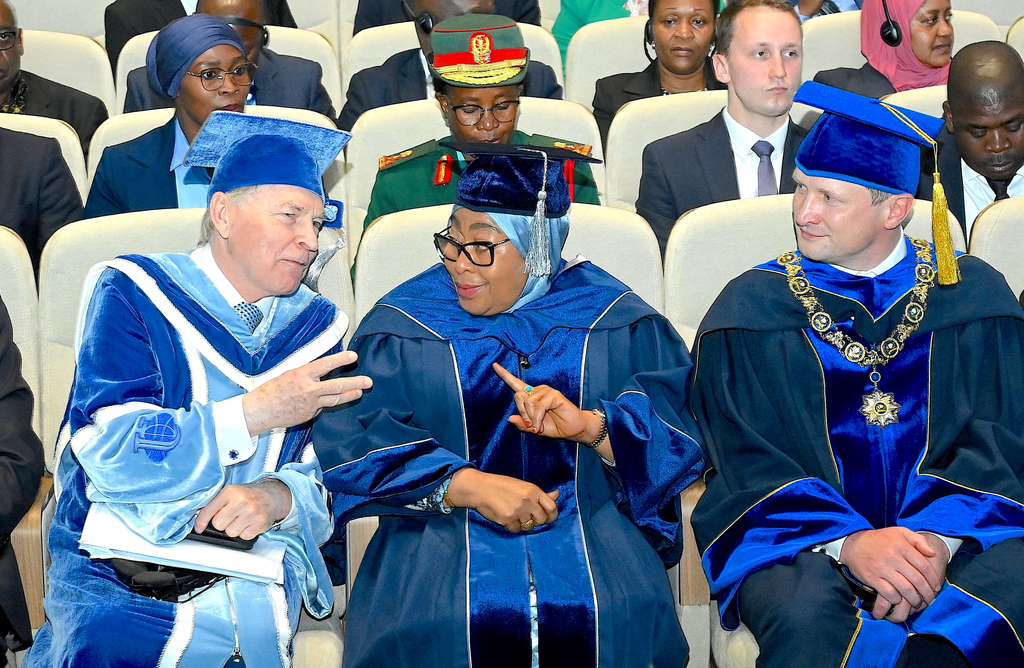
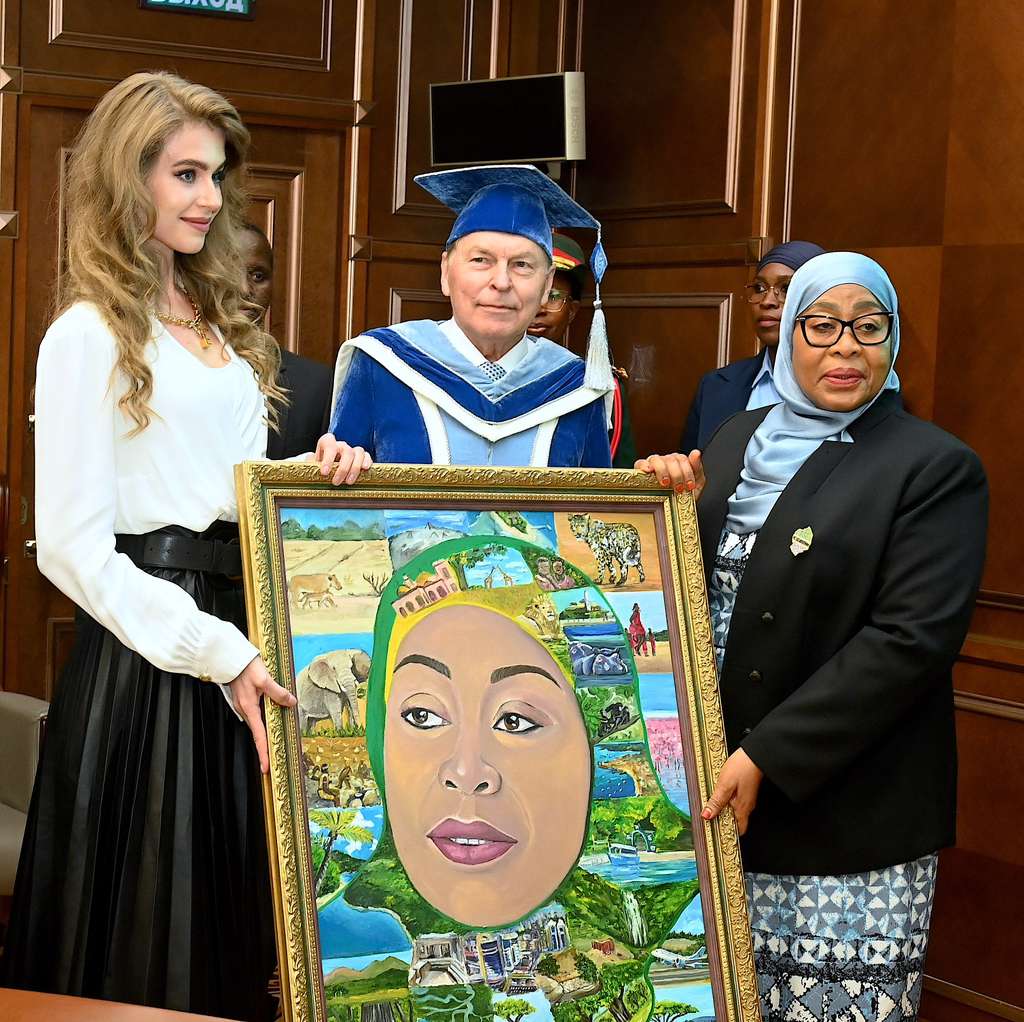
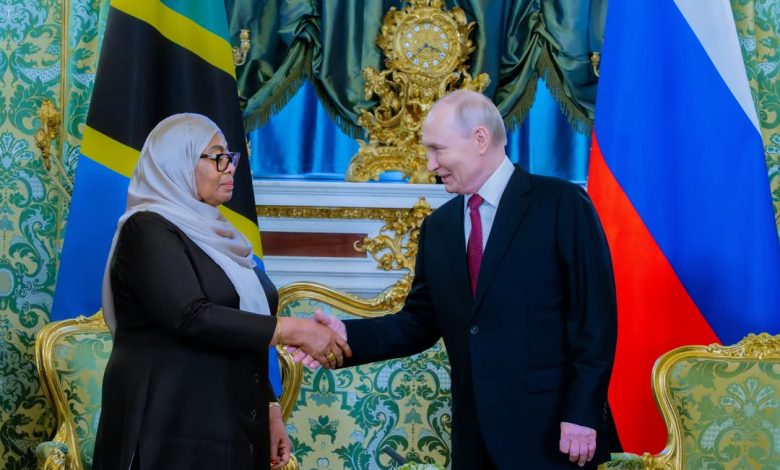
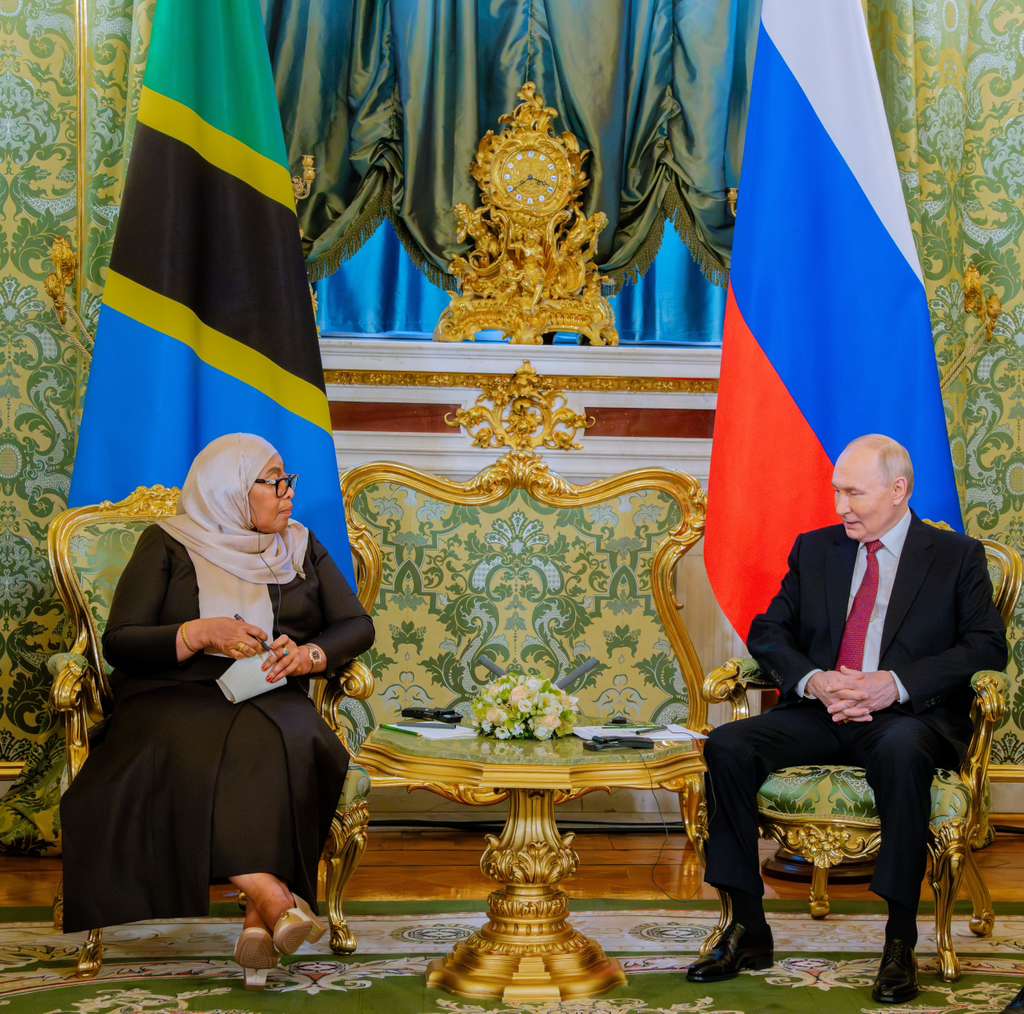
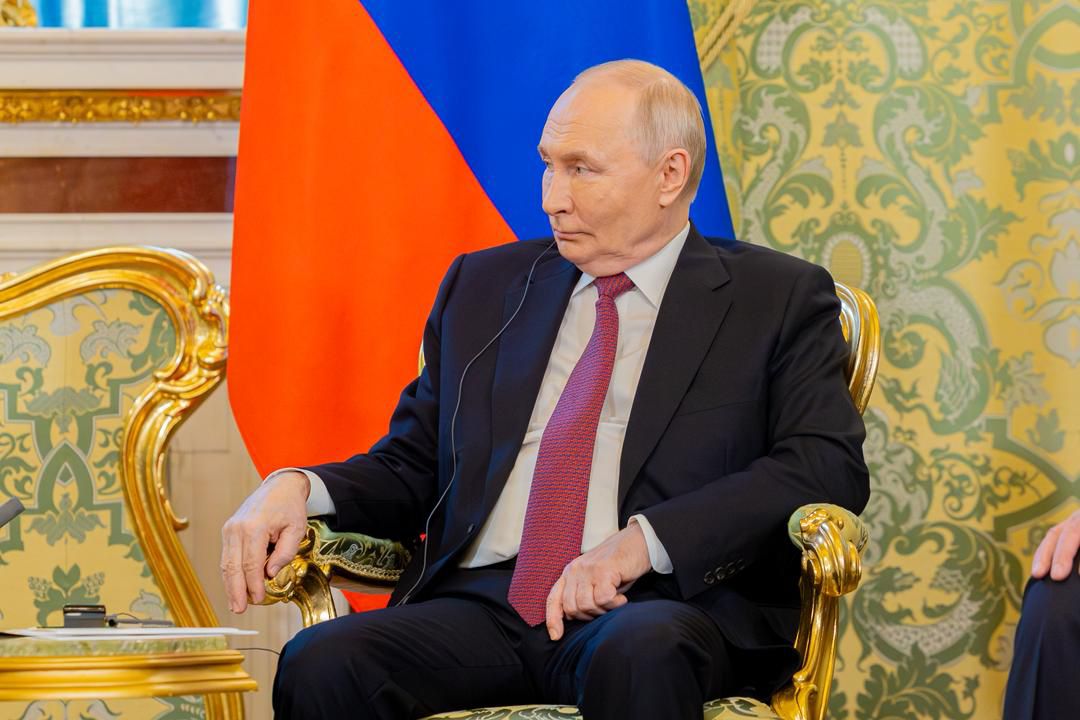
The visit provided President Samia with an opportunity to hold official bilateral talks with her host, President Vladimir Putin, at the Kremlin. Among other engagements, President Samia was awarded an Honorary Doctorate Degree (Honoris Causa) by the Peoples’ Friendship University of Russia, also known as Patrice Lumumba University (RUDN). This became the eighth Honorary Doctorate Degree conferred upon President Samia within a span of six years.
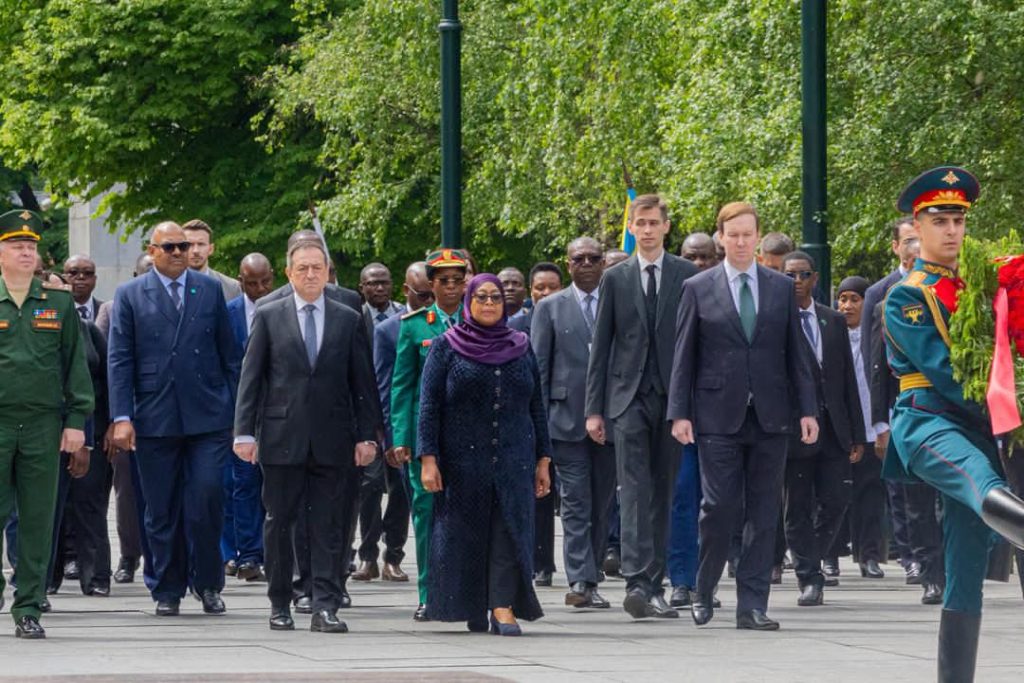
The visit marked one of Tanzania’s most significant diplomatic engagements with Russia in recent decades. Undertaken at the invitation of Russian President Vladimir Putin, the visit was described as historic because it was the first visit by a Tanzanian Head of State to Moscow in more than half a century, following President Nyerere’s visit in 1969.
The main objective of the visit was to strengthen political, economic, scientific, and technological cooperation between Tanzania and Russia. During talks at the Kremlin, President Samia and President Putin discussed expanding bilateral relations, global and regional issues, and preparations for future Russia–Africa engagements. The two sides also explored opportunities in education, science, information and communication technology (ICT), investment, and other strategic areas.
One of the major achievements of the visit was the strengthening of economic diplomacy. Tanzania used the opportunity to present itself as an attractive destination for Russian investors, particularly in infrastructure, energy, nuclear technology, natural gas, agriculture, mining, uranium, tourism, transport infrastructure, industrial development, innovation, Artificial Intelligence (AI), human capital development, trade, and investment.
The response from the Russian side was positive. Already, Russia has a flagship investment worth USD 1.2 billion in the Mkuju River Uranium Project. Mantra Tanzania Limited, a subsidiary of ROSATOM, is leading this project, which is expected to generate USD 4 million per annum in dividends. The project is expected to produce 3,000 tonnes of uranium annually, potentially turning Tanzania into Africa’s second-largest uranium producer after Mozambique. This presents a new window of opportunity for youth employment. The project is expected to employee 20,000 youths, according to President Samia.
President Samia and President Putin also discussed technology transfer, including Tanzania’s plan to begin nuclear power generation of up to 100 megawatts in partnership with ROSATOM. The plan is to have the first nuclear power plant in Tanzania by 2029. Nuclear power offers reliable, large-scale, low-carbon electricity generation. Tanzania could benefit through improved energy security, industrial growth, technology transfer, and reduced dependence on fossil fuels.
It also offers a more reliable alternative to hydroelectric power, which can be affected by climatic conditions. President Samia has recognised that no country in the world has industrialised or created sufficient employment opportunities for its youth without access to reliable electricity at a large scale. By pursuing nuclear energy, President Samia is opening new opportunities for Tanzania’s future workforce.
Russia has also expressed willingness to support investments in natural gas, liquefied natural gas (LNG), hydropower, and broader energy transition initiatives aimed at helping Tanzania become an industrial powerhouse. This could translate into more employment opportunities and increased national income.
The President also participated in the Tanzania–Russia Business and Investment Forum, which provided a platform for business leaders from both countries to explore partnerships and promote trade opportunities.
Tanzania’s visibility increased in global economic discussions through President Samia’s participation at the St. Petersburg International Economic Forum (SPIEF). The forum brought together global leaders, investors, and policymakers, giving Tanzania an opportunity to showcase its economic transformation agenda and development priorities. President Samia amused the world when told them Tanzania has reformed to the extent that an investor is now capable of registering a company within 24 hours.
The visit also opened doors for cooperation in higher education and scientific research. Discussions included agreements aimed at expanding collaboration between Tanzanian and Russian institutions in areas such as skills development, research, and innovation. This could help Tanzania access new technologies, academic partnerships, and technical expertise needed to support industrialisation and human capital development.
Diplomatically, the visit demonstrated Tanzania’s continued effort to maintain a balanced foreign policy by engaging with different global partners. Russia has historically maintained relations with African countries, and Tanzania’s renewed engagement reflects its strategy of seeking partnerships that support national development goals.
On this, President Samia was categorically clear, that Tanzania attracts investment from all corners of world. She mentioned USA as number one investor in big projects like LNG in Lind, Nikel in Kabanga Ngara, Graphite in Lindi and many other places. She also said European Union, Japan, China, India, Indonesia, Australia and many others have multiple investments in Tanzania. “Our policy is non alignment. We are open and collaborate with everyone for mutual development and peaceful world,” said President Samia.
The visit also carried geopolitical significance. It took place at a time when global alliances are shifting and African countries are increasingly seeking diverse international partnerships. Tanzania’s engagement with Russia signals its intention to broaden its economic and diplomatic options while protecting its national interests.
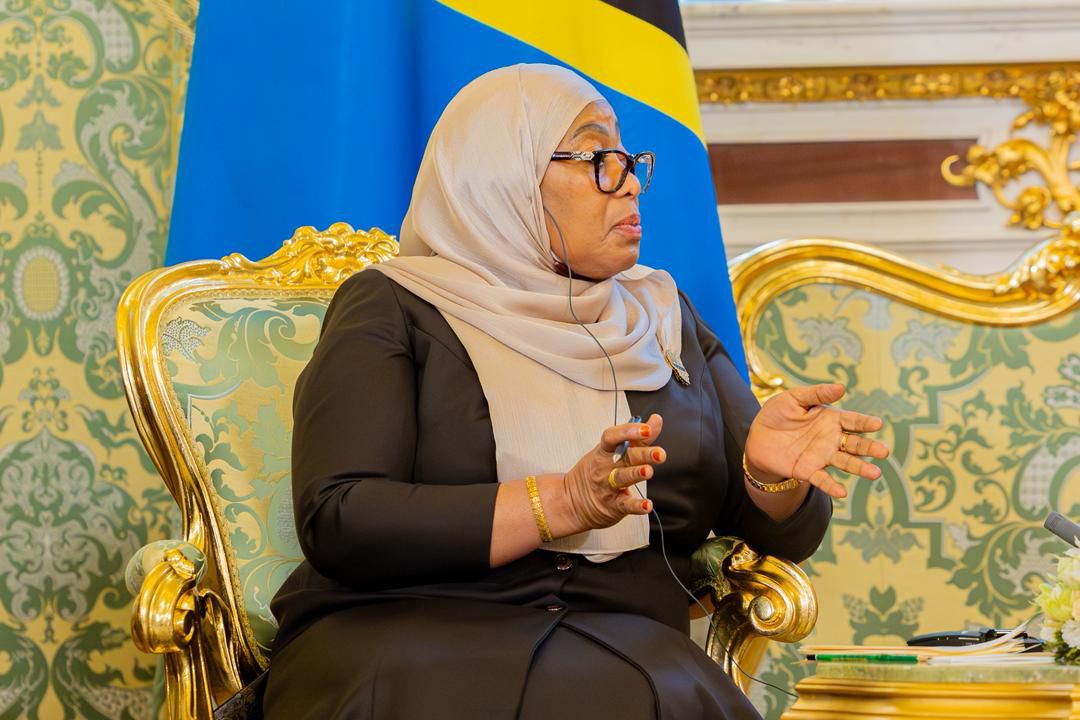
President Samia’s trip further strengthened Tanzania’s image as an active participant in international diplomacy. By meeting with Russian leadership, speaking at major economic platforms, and engaging investors, Tanzania positioned itself as a country open for business and international cooperation.
However, the long-term success of the visit will depend on implementation. The real measure will be whether agreements translate into concrete investments, new industries, employment opportunities, technology transfer, and improved economic benefits for ordinary Tanzanians. Deep inside, it looks the pace is quick. President Samia said from July, 2026 Tanzania’s national carrier, Air Tanzania, will start a new direct route – Dar es Salaam – Moscow – Dar es Salaam, as part of implementing what was agreed during the visit.
President Samia Suluhu Hassan’s Russia visit achieved several important milestones: it revived high-level Tanzania–Russia relations, promoted investment opportunities, expanded cooperation in education and technology, and increased Tanzania’s voice in global economic discussions. The visit represents another step in Tanzania’s broader foreign policy approach of using international partnerships to advance economic transformation and national development.
I intentionally do not want to turn this article into a mere narration of events in chronological order, but rather an analysis of the strongest points associated with this official visit. The Father of the Nation, Mwalimu Julius Kambarage Nyerere, established the policy of non-alignment before and immediately after Tanganyika’s independence in 1961, and later after the Union between Tanganyika and Zanzibar in 1964.
Although Tanganyika had not yet gained independence, in September 1961, when 25 Third World leaders held the first summit of the Non-Aligned Movement (NAM) in Belgrade, Mwalimu Nyerere visited Yugoslavia during the same period to demonstrate solidarity and affirm Tanganyika’s commitment to the non-alignment policy. Since then, NAM membership has increased to 121 countries. Tanzania joined the movement in 1964.
Tanzania hosted a major preparatory meeting of the Non-Aligned Countries from April 13–17, 1970, in Dar es Salaam. The meeting was chaired by President Julius Nyerere and was organised to prepare the agenda and logistics ahead of the Third NAM Summit in Lusaka, Zambia. Since then, Tanzania has taken a leading role in NAM affairs.
Unfortunately, during the 1960s and 1970s, the world was dominated by a bipolar system. The United States of America and the Union of Soviet Socialist Republics (USSR) were pulling the world in opposite directions with almost equal influence. Without going deeply into history, that balance shifted on December 26, 1991, when the Soviet Union officially collapsed. The Supreme Soviet voted to dissolve the union, a day after President Mikhail Gorbachev resigned and the Soviet flag was lowered from the Kremlin for the last time.
World leaders watched closely as the Union of Soviet Socialist Republics, a vast transcontinental communist state that stretched across much of Eurasia from 1922 to 1991, disappeared. Many were shocked. It created uncertainty for countries that had relied on Soviet support and those that had not fully aligned with the United States. NAM countries found themselves navigating a new reality as the global balance of power changed.
The Non-Aligned Movement established several principles, including respect for sovereignty through upholding the territorial integrity and political independence of all nations; mutual non-interference by avoiding intervention in the domestic affairs of other countries; and peaceful dispute resolution through commitment to settling international conflicts in accordance with the United Nations Charter.
The movement also promotes sovereign equality by recognising the equality of all races and nations, whether large or small; self-defence by respecting the right of every country to defend itself individually or collectively in accordance with the UN Charter; and an independent foreign policy by refraining from joining military alliances that serve the interests of major global powers. Ultimately, NAM also seeks to encourage investment opportunities without discrimination.
I deliberately bring this historical context into focus. Looking at these two friendly nations, Tanzania and Russia, it is difficult to understand why it took Tanzania 57 years to conduct another official state visit. I am not suggesting that any particular fear existed, but it would be difficult to completely rule out the influence of global geopolitical dynamics.
Tanzania has benefited from its non-alignment policy. Soon after independence in 1961, the United States of America declined Tanzania’s request to support the construction of the TANZAM Road, which connects Dar es Salaam to Tunduma–Songwe through Mbeya, arguing that the project was not economically viable. However, after China signed a major railway agreement in September 1967 to construct the Tanzania–Zambia Railway (TAZARA) from Dar es Salaam to Kapiri Mposhi in Zambia, the United States later became involved.
The non-alignment policy proved effective. On February 25, 1969, the United States partnered with Sweden, the World Bank, and the International Development Association (IDA) to finance the construction of the TAZAMA Highway — the Dar es Salaam–Tunduma road, which had earlier declined. Tanzania continued benefiting from US support through various official assistance programmes and investments, including the Millennium Challenge Corporation (MCC) Compact signed in 2008.
The 2008 MCC Compact provided Tanzania with a grant of USD 698.1 million, equivalent to approximately TZS 1.8 trillion at the time. The funds were invested heavily in transport, energy, and water infrastructure, directly benefiting more than five million Tanzanians. The Southern Corridor benefited significantly, as the funding improved access to clean water, paved roads, and better educational facilities, among other services.
It takes a bold leader to make such a major diplomatic decision — visiting Russia at a time when many countries are seeking to strengthen relations with the United States and other Western powers. However, the United States understands Tanzania’s long-standing policy of non-alignment. To date, the US remains one of Tanzania’s largest investors, with interests in areas such as nickel mining in Kabanga, Ngara, Kagera Region; liquefied natural gas (LNG) projects in Mtwara; graphite mining in Lindi; and several other investment areas as said before.
President Samia put Tanzania’s national interests first and decided to visit Russia, where multiple opportunities have emerged. The visit has also opened possibilities in the tourism sector, including plans for Air Tanzania to introduce flights from Dar es Salaam to Moscow and other destinations in Russia. Russian banana plantations in Morogoro and several mega projects are in making following this official visit.
To conclude, the Tanzania–Russia state visit has renewed Tanzania’s commitment to the principles of the Non-Aligned Movement, which had gradually received less attention over the years. President Samia has created a new chapter in Tanzania’s diplomatic history, and history will remember this moment.
God bless Tanzania.